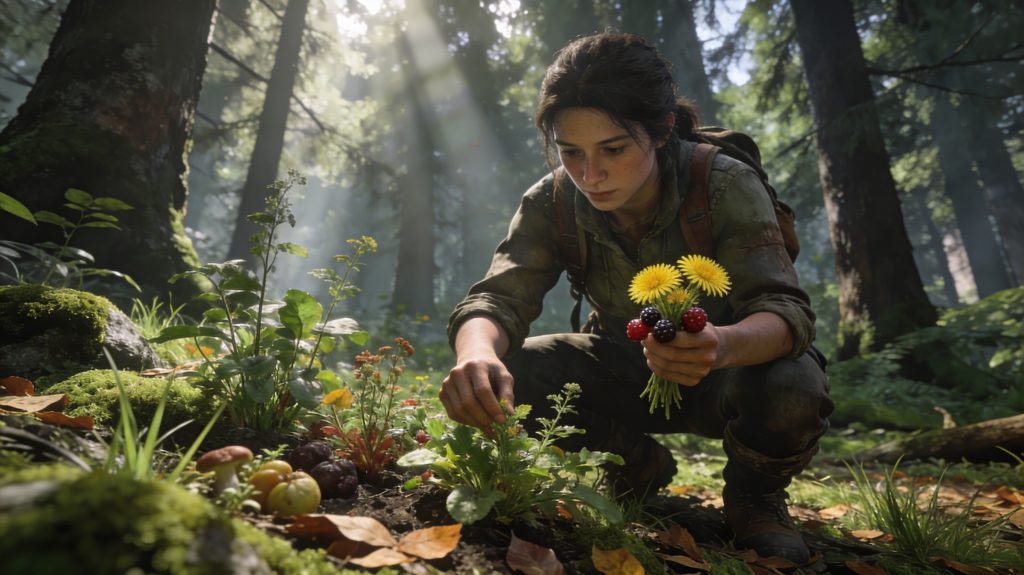
Starvation is a slow death – but eating the wrong plant can kill you in hours. Knowing which wild plants are safe to eat is a critical survival skill, but it comes with serious responsibility.
This guide covers 10 common edible plants found across North America, how to identify them, and the cardinal rules of foraging that keep you safe.
Rule #1: Positive ID or don’t eat it
100% certain identification only. “Looks like” isn’t good enough. One wrong leaf kills you.
Rule #2: Avoid the deadly families
Rule #3: Universal Edibility Test (last resort only)
If starving and unsure:
Reality check: This takes 24+ hours per plant. Only use if you’re actually starving.
Where found: Lawns, fields, roadsides – everywhere
Identification:
Edible parts: Entire plant is edible
Preparation: Rinse well. Boil leaves to reduce bitterness.
Nutrition: High in vitamins A, C, K and calcium
Where found: Marshes, pond edges, wet ditches
Identification:
Edible parts: Nearly entire plant at different seasons
Preparation:
Nickname: “Swamp supermarket” – one of the best survival plants
Where found: Lawns, paths, disturbed soil
Identification:
Edible parts: Leaves (young ones better)
Preparation: Eat raw in salad or boil like spinach. Remove tough strings.
Bonus: Medicinal – chew and apply to bee stings, bug bites (drawing poultice)
Where found: Lawns, fields, meadows
Identification:
Edible parts:
Preparation: Eat raw in small amounts. Dry for flour additive.
Note: Can cause bloating if eaten in large amounts raw
Where found: Oak forests, parks
Identification:
Edible parts: Nut meat inside shell
Critical preparation: MUST remove tannins (bitter, causes stomach upset)
Once leached: High in calories, carbs, fat – excellent survival food
Warning: Skip this step and you’ll regret it (severe stomach pain)
Where found: Roadsides, fence rows, old homesteads
Identification (spring):
Edible parts: Young shoots only (before they get woody)
Preparation: Eat raw or cook like store asparagus
Season: Early spring only – once ferny, it’s too tough
Where found: Forests, shaded areas, lawns
Identification:
Edible parts: Leaves and flowers
Preparation: Eat raw – great for trail nibble
Taste: Tart, refreshing, lemony (oxalic acid – vitamin C)
Warning: High oxalic acid – eat in moderation (excessive amounts can cause kidney issues)
Where found: Gardens, lawns, waste areas
Identification:
Edible parts: Entire above-ground plant
Preparation: Excellent raw in salads or cooked like spinach
Nutrition: Vitamins A and C, minerals
Where found: Gardens, cracks in sidewalks, disturbed soil
Identification:
Edible parts: Leaves and stems
Preparation: Raw in salads or cooked. Slightly slimy when cooked (like okra).
Nutrition: Highest omega-3 of any plant, plus vitamins A, C, E
Bonus: High water content – helps with hydration
SAFE berries (when positively identified):
General safe berry rule:
NEVER eat: White or yellow berries unless 100% certain
Wild plants won’t sustain you long-term – they’re low in calories compared to what your body burns. But they provide:
To survive on plants alone, you’d need to eat pounds per day. Focus energy on hunting/fishing if possible.
This list covers plants found across most of North America. Local field guides are essential – buy one for your region and study before you need it.
Avoid plants near:
Only forage where water and soil are clean.
Learning edible plants takes time. Start by mastering 3-5 plants in your area. Go on guided foraging walks. Buy field guides. Practice identification when NOT starving.
The best survival food is the one you recognize with 100% certainty.
Action step: This weekend, find ONE plant from this list in your area and positively identify it. Take photos. Taste it (if certain). Build your knowledge one plant at a time.
Your turn: Which wild plant from this list have you seen in your area? Have you tried foraging before? Share your experiences in the comments!